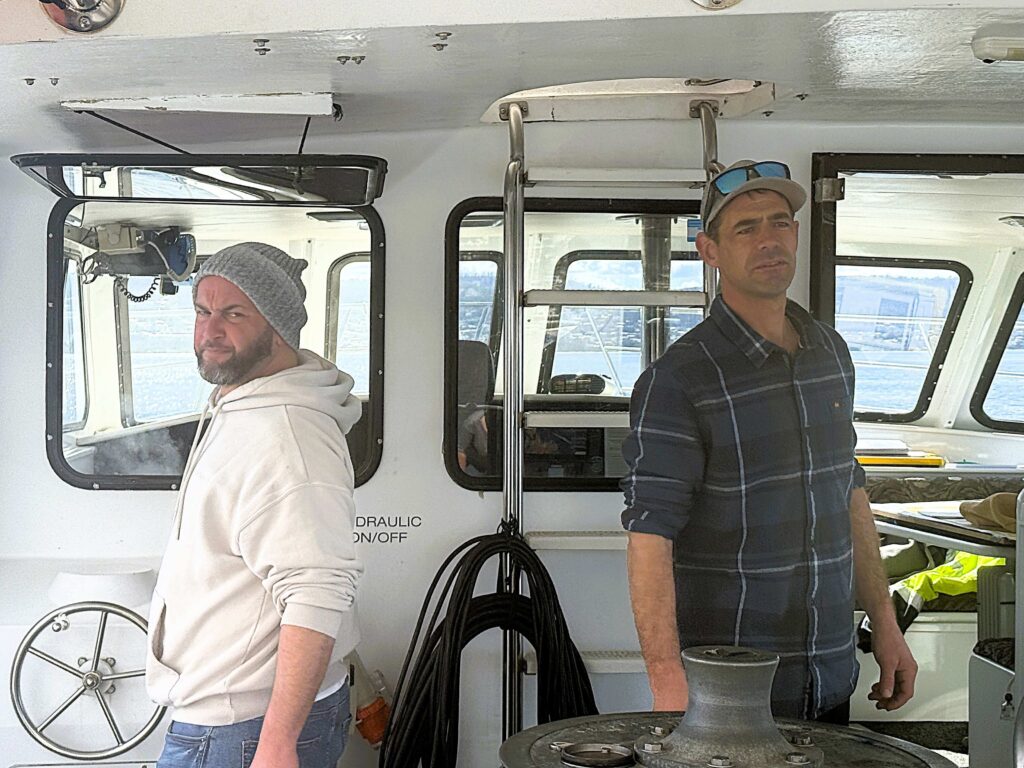
After spending more than a decade working with on fishing boats Chris Claridge has seen plenty of change in the fishing industry. “Ten years I jumped on board Diana with Mures, been off and on for 10 years,” he says.
When COVID hit in 2020, fishing wasn’t an option, so Chris took the opportunity to work with Stay Afloat, a national mental health support initiative for the seafood industry. “I had a fantastic five years,” he recalls. “I learnt a lot about myself, a lot about the industry, and about the ongoing struggles and challenges you don’t always see while you’re out at sea.”
As a Reach Out Worker, Chris spent his days on marine farms and fishing boats, talking one-on-one with industry workers, hosting mental health sessions, and encouraging people to seek support and learn new skills. “Within those five years, there were probably about 10 to 15 people we helped and encouraged to get their tickets through SMT,” he says.
Returning to the Ocean
After five years with Stay Afloat, Chris felt the call of the sea again. “I just missed the ocean,” he says. “As much as I love Stay Afloat and it’s still a huge passion of mine, mental health within the seafood industry.”
When asked how his time with Stay Afloat will help him back on the water, Chris said, “It’s given me a better understanding of what people are going through and taught me to take a non-judgemental approach. If someone is struggling to learn or take instructions, it may not always be about ability, sometimes there’s something else going on. Take the time to get to know that person. Everyone’s got a story to tell.”
Back in Training
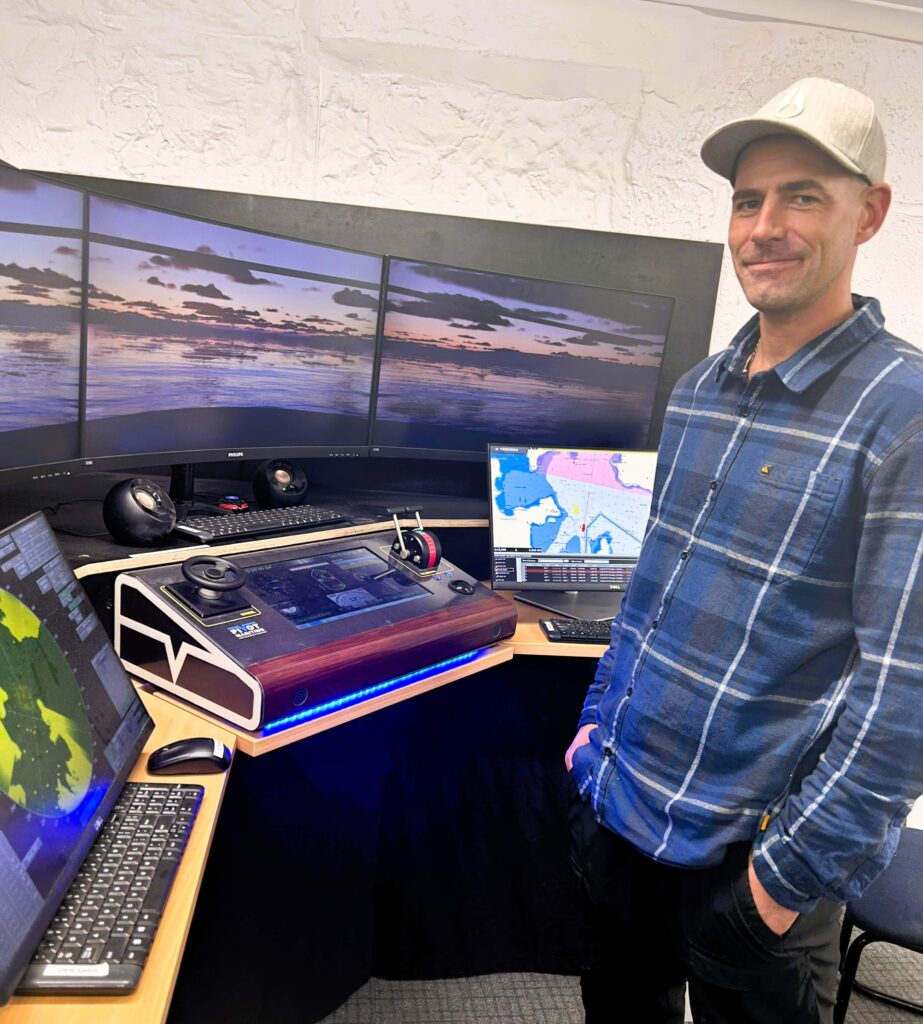
Returning to sea also meant upskilling. Chris decided to undertake his Master <24m course through SMT, though the idea of stepping back into a classroom was formidable. “I was scared about walking through the front door,” he admits. “I’d been procrastinating doing this ticket for about six years. But it was great to finally take that step.”
For Chris, the transition hasn’t always been easy. “It’s been very daunting, I won’t lie. I struggle with self-doubt, anxiety, a bit of depression at times and then you throw ADHD into the mix. Sitting in a classroom is hard because of what my brain tells me. But it’s been fantastic. I was extremely nervous the first day but having the right teachers and the right people around you, each day you walk in you feel a little more comfortable.”
That support has helped him rediscover confidence. “I’ve walked away with a greater knowledge and realised that self-doubt I had—there was no need for it. The teachers are very approachable. I might not always understand something straight out of a textbook, but having one-on-one time and being shown things in a hands-on way makes a big difference.”
Chris says the extra effort pays off. “Coming in an hour early to go over something you didn’t understand the day before—it helps so much. You get out what you put into the course.”
Looking ahead, Chris is keen to gain more experience across vessels and roles. “After I get my tickets, I’m going to push myself—work on different boats, spend more time in the wheelhouse, and see what it’s like being a skipper. Just because you’re a great deckhand doesn’t mean you’ll be a great skipper. It’s about ongoing learning and building confidence. I’m looking forward to getting back to sea, applying what I’ve learnt, and continuing to grow.”