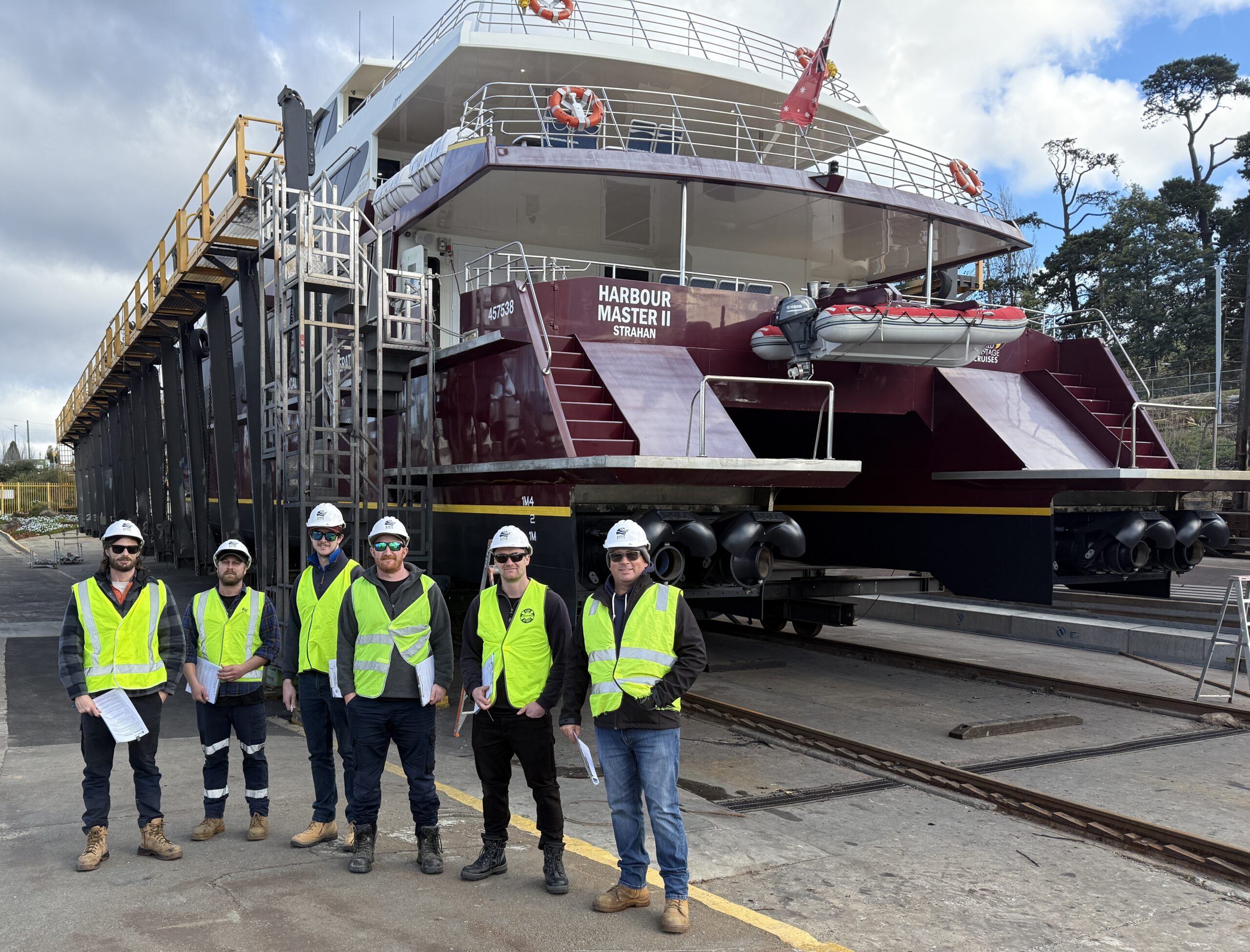
Korean student Sein Yi is successfully building a career in Tasmanian aquaculture.
Sein undertook a number of small, practical classes at SMT (Seafood & Maritime Training) late last year as part of her aquaculture education, and is now thriving in the industry and embracing Tasmanian nature.
Sein’s passion for marine life began with a desire to work in aquariums. This inspired her to study at the Korean Marine Meister High School, setting her on a path that ultimately brought her to Australia to study and work. Last month, Sein caught up with the team at SMT to reflect on her journey. She credits the SMT programs, featuring small class sizes and practical, hands-on teaching, with giving her a strong foundation in various elements of Tasmanian aquaculture.
Working in the local aquaculture sector has been “great, really great,” Sein says. She highlights the positive perspectives and cheerful attitudes of her colleagues as major highlights of working in the region. Sein started her career in processing at Huonville for Huon Aquaculture. She has since transitioned to the Tassal Hatchery, also located in Huonville. Looking to the future, her goals include securing a full-time hatchery role, trying her hand as a farm attendant, and training to become an aquaculture diver.
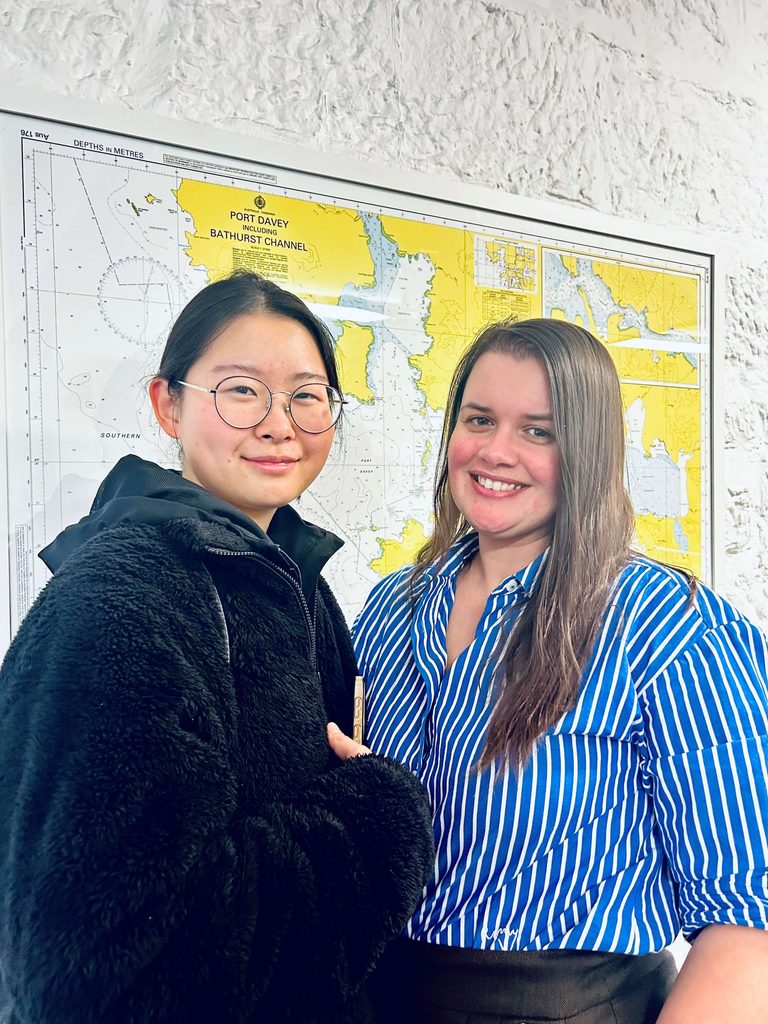
Outside of work, Sein has settled well into the Tasmanian lifestyle. She loves the fresh air, uncrowded spaces, and beautiful natural environment. While she tried bushwalking and decided it wasn’t quite for her, she enjoys spending time at the beach near her home. She does admit to missing her family, authentic Korean food, and the lightning-fast delivery times she was accustomed to in South Korea, joking that Tasmanian shipping can take a bit too long!
When she isn’t working or studying, Sein is an avid piano player. She has also recently taken up a traditional Korean craft known as Maedeup, the ancient art of interlacing silk threads into intricate, symmetrical patterns. It is a beautiful, delicate contrast to the heavy-duty knots she regularly encounters in her day-to-day work in the aquaculture industry!